
Introduction
Construction, utility installation, landscaping, drainage projects, and infrastructure development often require carefully prepared trenches. Whether the project involves underground electrical lines, water pipes, drainage systems, telecommunications, or other utilities, properly planned excavation is an important part of successful site work.
Trenching services provide specialized excavation support for projects that require narrow, controlled cuts in the ground. Professional trenching contractors use appropriate equipment, site planning, and safety procedures to create trenches according to project requirements.
Understanding how trenching works, when it is needed, and what factors influence the process can help property owners, contractors, developers, and project managers make better decisions.
For reliable trenching services from Boring Bros, businesses and contractors can benefit from professional excavation solutions tailored to project requirements. Experienced crews use appropriate equipment and efficient techniques to complete trenching work accurately, helping prepare sites for utilities, drainage, pipelines, and other underground infrastructure while maintaining a strong focus on quality and safety.
What Are Trenching Services?
Trenching involves excavating a long, relatively narrow section of soil to create space for underground infrastructure or other construction requirements.
Depending on the project, trenches may be used for:
- Water lines
- Sewer pipes
- Drainage systems
- Electrical cables
- Telecommunications
- Gas infrastructure
- Irrigation
- Foundations
- Landscaping systems
The required trench dimensions depend on the type of installation, site conditions, engineering requirements, and applicable regulations.
Why Professional Trenching Matters
Although trenching may appear straightforward, underground excavation can involve significant risks and technical considerations.
A professional contractor can evaluate the site, identify potential obstacles, select appropriate equipment, and plan the excavation process.
Proper planning can help reduce unnecessary excavation, protect existing infrastructure, and keep the project moving efficiently.
Common Trenching Applications
Trenching is used across residential, commercial, agricultural, and infrastructure projects.
Utility Installation
Utility companies and contractors may require trenches to install underground cables, pipes, or other infrastructure.
Drainage
Property owners may use trenching to install drainage pipes that redirect water away from buildings, roads, yards, or other areas.
Irrigation
Landscaping projects may require narrow trenches for irrigation lines.
Electrical Work
Underground electrical systems can require carefully positioned trenches for conduit and cables.
Telecommunications
Fiber-optic and communications infrastructure may also require trenching for underground installation.
Planning a Trenching Project
Successful trenching begins before excavation equipment arrives.
The contractor should understand the project requirements and identify the proposed trench location.
Important considerations can include:
- Soil conditions
- Existing utilities
- Access to the work area
- Required trench depth
- Required trench width
- Drainage
- Weather
- Equipment access
- Restoration requirements
A clear plan can help reduce delays and unexpected problems.
Locating Underground Utilities
One of the most important steps before excavation is identifying existing underground infrastructure.
Utility lines may include water, gas, electrical, telecommunications, and sewer systems.
Accidentally damaging an underground utility can cause injuries, service interruptions, property damage, and costly delays.
Before digging, contractors should follow the applicable local utility-location and excavation requirements.
Choosing the Right Equipment
Different trenching projects require different equipment.
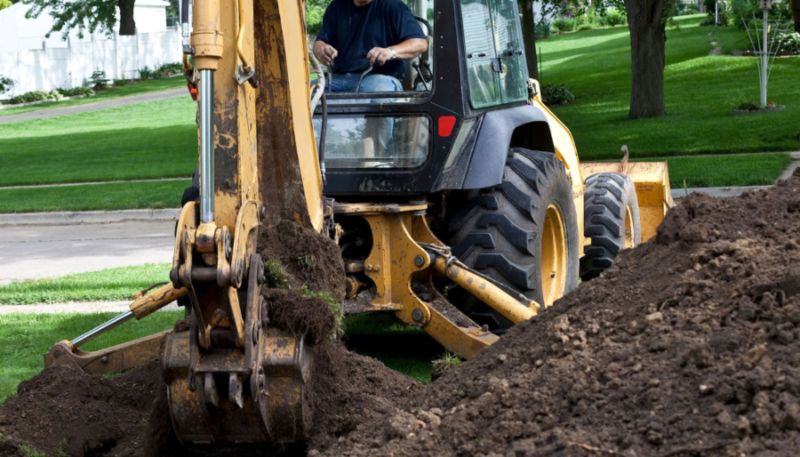
Depending on site conditions and trench dimensions, contractors may use excavators, trenchers, backhoes, compact equipment, or specialized machinery.
Smaller equipment may be appropriate for residential properties or areas with limited access.
Larger machinery may be necessary for major infrastructure projects.
Selecting suitable equipment can improve productivity while minimizing unnecessary disturbance to surrounding areas.
Soil Conditions
Soil type can significantly affect trenching.
Clay, sand, gravel, rock, and mixed soils behave differently during excavation.
Some sites may require additional precautions or specialized equipment because of unstable or difficult ground conditions.
A contractor should evaluate the site conditions and follow appropriate excavation safety requirements.
Trench Safety
Safety is one of the most important aspects of trenching.
Excavated trenches can present serious hazards, particularly when workers enter them. Soil can shift or collapse unexpectedly.
Applicable safety procedures may require protective systems, safe access, appropriate separation from equipment, and other precautions depending on the depth and conditions of the excavation.
Workers should never enter a trench unless appropriate safety requirements have been evaluated and addressed.
Managing Excavated Soil
Excavated material needs to be managed carefully.
Soil should not simply be placed wherever convenient. Its location can affect site access, drainage, trench stability, and worker safety.
Contractors may need to stockpile suitable soil for later backfilling or arrange for excess material to be removed.
Good planning can reduce unnecessary handling and transportation.
Installing Utilities
Once the trench has been prepared, the appropriate pipe, conduit, cable, or other infrastructure can be installed.
The trench may need a suitable base or bedding material depending on the installation.
The utility should be positioned according to project specifications before backfilling begins.
Proper installation helps protect underground infrastructure and supports long-term performance.
Backfilling and Compaction
After the underground installation has been completed and inspected as required, the trench can be backfilled.
Backfilling should be performed appropriately for the project.
Poorly compacted soil can settle over time, potentially causing depressions, damaged pavement, drainage problems, or other issues.
Proper compaction can help restore ground stability.
Trenching for Drainage
Drainage is one of the most common reasons property owners need trenching.
Drainage trenches can accommodate pipes designed to move rainwater or other water away from problem areas.
A drainage project should consider the natural slope of the property and the intended discharge location.
Improper drainage design can cause water to accumulate elsewhere, so planning is essential.
Residential Trenching
Residential trenching projects may be smaller than commercial excavations, but they still require careful planning.
Common residential applications include:
- Irrigation installation
- Electrical conduit
- Drainage
- Water lines
- Landscape lighting
- Sewer connections
Limited access may make equipment selection particularly important.
Commercial and Infrastructure Trenching
Large projects may involve extensive trenching across roads, commercial properties, developments, or infrastructure corridors.
These projects typically require detailed planning, scheduling, utility coordination, traffic considerations, and compliance with applicable regulations.
Professional project management becomes increasingly important as the scale of excavation grows.
Minimizing Property Disruption
Excavation can disturb lawns, driveways, landscaping, and other surfaces.
A well-planned trenching project should consider how the site will be restored afterward.
Where possible, contractors can use appropriate equipment and excavation methods to limit unnecessary disturbance.
Before work begins, discuss restoration expectations with the contractor.
Choosing a Trenching Contractor
When selecting a contractor, consider experience with projects similar to yours.
Ask about:
- Previous trenching experience
- Equipment
- Safety procedures
- Utility-location processes
- Project timelines
- Restoration
- Insurance
- Licensing requirements
- Written estimates
A reputable contractor should be willing to explain the planned excavation process and identify potential challenges.
Getting an Accurate Estimate
The cost of trenching can vary significantly.
Factors affecting the price may include trench length, depth, soil conditions, equipment requirements, site accessibility, utility conflicts, labor, disposal, restoration, and project complexity.
A contractor should inspect the site when appropriate before providing a detailed estimate.
A very low initial quote may not include important components such as restoration or difficult soil excavation.
Preparing for Trenching
Property owners can help projects run smoothly by clearing the work area and providing contractors with relevant information about existing infrastructure.
Discuss access requirements, landscaping concerns, gates, driveways, and restoration expectations before excavation begins.
Clear communication can prevent avoidable delays.
Conclusion
Professional trenching services provide an important foundation for installing underground utilities, drainage systems, irrigation, electrical infrastructure, telecommunications, and other underground improvements.
Successful trenching requires more than digging a narrow channel. Contractors must consider soil conditions, underground utilities, equipment access, trench dimensions, worker safety, material management, installation requirements, backfilling, and site restoration.
Whether the project is residential, commercial, agricultural, or part of a larger infrastructure development, careful planning can help improve efficiency and reduce unnecessary disruption.
Before hiring a contractor, compare relevant experience, safety practices, equipment, project requirements, and pricing. A properly planned trenching project can provide a reliable pathway for underground infrastructure while helping protect the surrounding property and keeping the overall construction process on track.



One thought on “Trenching Services for Safe and Efficient Site Work”