Choosing a quartz countertop involves more than selecting a color or pattern. Quartz countertop slab thickness can influence the appearance, fabrication options, edge profile, cost, and overall character of a kitchen or bathroom. For homeowners planning a renovation, understanding the difference between common quartz thicknesses can make the design process easier and help prevent costly changes later.
HanStone Quartz currently offers two primary slab thicknesses:
- 2 CM, approximately 3/4 inch, and
- 3 CM, approximately 1 1/8 inch.
Both can create durable, attractive surfaces, but Hyundai L&C offers quartz options suited to different applications and design preferences. The right option depends on the project’s application, design goals, cabinetry, edge treatment, and installation requirements.
Understanding Quartz Countertop Slab Thickness
The thickness of a quartz slab refers to the actual thickness of the engineered stone material before fabrication and installation. Although the difference between 2 CM and 3 CM may seem small, it can noticeably affect the finished countertop.
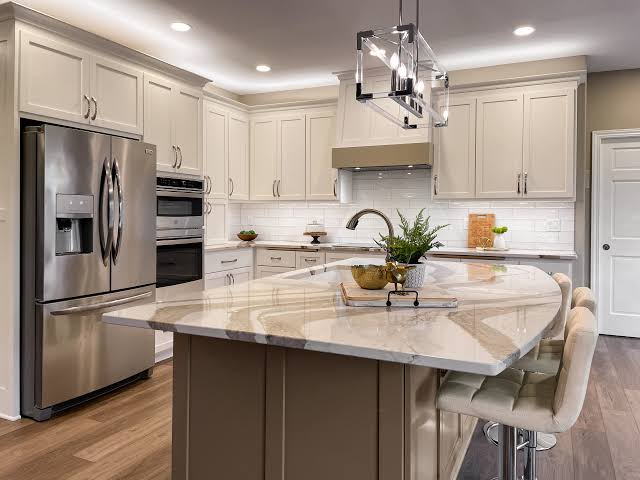
A 2 CM quartz slab creates a slimmer, more refined appearance. A 3 CM slab provides a more substantial visual presence and can be especially effective on large kitchen islands or countertops designed to become a focal point.
Neither thickness automatically works better for every project. The decision should begin with the room and how the surface will be used.
2 CM Quartz Countertops
A 2 CM slab, measuring approximately 3/4 inch thick, offers a sleek profile that can complement contemporary, minimalist, and streamlined interiors.
This thickness can be useful for:
- Bathroom vanities
- Smaller countertop applications
- Contemporary kitchen designs
- Projects where a lighter visual profile is preferred
- Spaces with specific clearance requirements
A thinner slab can also be paired with fabrication techniques that create a thicker-looking edge. This allows a homeowner to achieve a substantial countertop appearance without necessarily using a thicker slab throughout the entire surface.
3 CM Quartz Slabs for a More Substantial Look
At approximately 1 1/8 inch thick, a 3 CM quartz slab has a more robust appearance. It is frequently considered for kitchen countertops and islands where the surface needs to make a stronger visual statement.
The additional material can also influence how an edge profile appears after fabrication. Simple edges can look clean and modern, while more pronounced profiles may create a traditional or architectural effect.
For homeowners considering a large island, waterfall design, or prominent kitchen work surface, evaluating 3 CM quartz countertop thickness alongside the cabinet dimensions and overall room proportions can help create a more cohesive result.
How Quartz Thickness Affects Design
Thickness should not be considered separately from the rest of the countertop design. Color, veining, cabinetry, backsplash material, island dimensions, and edge treatment all contribute to the finished appearance.
For example, a heavily veined quartz surface with a dramatic pattern may already command significant visual attention. A slimmer profile could allow the pattern to remain the primary focal point. Conversely, a large island with understated quartz may benefit from the visual weight of a thicker-looking edge.
Edge profiles are particularly important. Eased, beveled, bullnose, knife, Roman, reverse ogee, ellipse, and roundover profiles can produce very different results depending on the countertop design.
Think About the Edge Profile Early
One common mistake is choosing slab thickness first and treating the edge as an afterthought. Fabrication requirements can affect how the countertop ultimately looks, so both decisions should be considered together.
A homeowner interested in an elaborate edge profile may need to discuss the design with the fabricator before finalizing the slab specification. The same applies to waterfall edges, built-up edges, and other details that change the perceived thickness of the countertop.
Quartz Slab Thickness and Cost
Material thickness can also affect project pricing. A 3 CM slab requires more material than a 2 CM slab, which can contribute to a higher material cost. However, the total countertop budget also depends on slab size, color, pattern complexity, fabrication, installation, and project dimensions.
This is why comparing thickness based only on the initial material price can be misleading.
Instead, consider the complete project:
- Measure the countertop area.
- Determine whether 2 CM or 3 CM is appropriate for the application.
- Review available slab sizes.
- Select the desired color and pattern.
- Discuss edge profiles with the fabricator.
- Account for fabrication and installation costs.
- Confirm the final specifications before ordering.
Taking these steps early can make budgeting more predictable and reduce the likelihood of design changes during fabrication.
Slab Size Matters Alongside Thickness
Thickness is only one part of the slab specification. Slab dimensions can also influence layout, seams, material efficiency, and design possibilities.
Current HanStone Quartz documentation lists jumbo slabs at 65 inches by 130 inches, with both 2 CM and 3 CM thickness options available. Availability can vary by color and product, so checking the current specifications for the selected design remains important.
Larger slabs can be especially useful for expansive islands or long countertops because the layout may provide opportunities to reduce the number of seams. However, the final layout depends on the project’s measurements, cabinet configuration, slab availability, and fabrication plan.
Choosing the Right Thickness for the Room
A practical way to evaluate quartz countertop thickness is to consider how the surface fits into the entire room.
For kitchens: A 3 CM slab can provide a substantial appearance that works well with islands and larger countertop areas. Kitchen surfaces also tend to receive frequent daily use, making the overall material and fabrication specification important.
For bathrooms: A 2 CM slab can provide a lighter, streamlined appearance that works well with many vanity designs. The smaller scale of many bathroom applications may also make a thinner profile visually appropriate.
For commercial spaces: Thickness should be evaluated alongside the project’s traffic level, design requirements, fabrication specifications, and applicable installation guidelines.
These are starting points rather than universal rules. Cabinet construction, support, layout, edge design, and local fabrication practices should always be evaluated for the specific project.
Don’t Choose Thickness Based on Appearance Alone
A thicker countertop may look substantial, but appearance should not be the only consideration. Installation conditions and fabrication requirements matter just as much.
Quartz countertops are engineered surfaces that require proper measurement, cutting, support, and installation. Working with an experienced fabricator can help identify requirements involving seams, cutouts, edges, overhangs, and support before fabrication begins.
Product documentation is another valuable resource. Hyundai L&C USA provides fabrication manuals, care and maintenance information, technical documentation, warranties, and other professional resources for HanStone Quartz.
This type of information can help homeowners, designers, contractors, and fabricators make decisions based on the actual product rather than general assumptions about quartz.
Final Thoughts on Quartz Countertop Slab Thickness
The quartz countertop slab thickness depends on the room, countertop dimensions, intended use, edge profile, fabrication requirements, budget, and overall design. HanStone Quartz offers 2 CM and 3 CM options for different applications and aesthetics. Reviewing product specifications and consulting a qualified countertop professional can help ensure the finished surface fits the space and design vision.
Whether planning a kitchen renovation, bathroom upgrade, or custom countertop project, comparing slab thickness alongside color, pattern, and edge profile can make the selection process more confident and purposeful. Explore the HanStone Quartz collection from Hyundai L&C to compare 2 CM and 3 CM options, discover a finish that complements the space, and take the next step toward a countertop designed to deliver lasting style and performance.