For moving heavy loads safely across construction sites, warehouses, factories and ports, a lifting equipment company is the one that supplies, services and supports all the required machinery. Cranes, hoists, forklifts, slings and rigging accessories are provided by these companies, and along with that, inspection, maintenance and training services also come, which keep equipment compliant with the safety regulations in place. When businesses handle heavy materials daily, then working together with a specialized provider becomes, many times, the real difference between operations running smooth and operations getting stopped by costly downtime or accidents.
What Does a Lifting Equipment Company Actually Do?
Selling machines is not the only thing these companies do, rather they work as a full support system for the handling of materials in operations. Equipment supply, installation, load testing, periodic inspection, repairs and operator training, all of this comes under their typical work. For businesses that only need lifting solutions for a short period of project work, rental options are also offered by many of them, instead of pushing for permanent ownership.
Why this combination of services matters is simple to understand, because lifting equipment is not a thing that gets installed one time and then forgotten about. For staying safe and functional, ongoing checks are required, more so in those industries where equipment keeps running for long hours while carrying heavy loads.
Types of Lifting Equipment Commonly Supplied
Depending on load size, height requirement and the working condition, different industries end up needing different lifting solutions. Some common categories are the following:
- For factory and warehouse use, overhead and gantry cranes
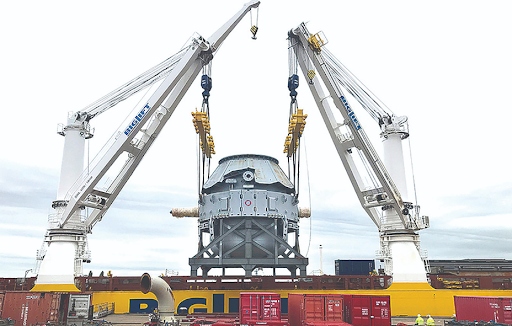
- For construction and outdoor project work, mobile cranes
- For vertical lifting purposes, hoists and winches
- For moving material horizontally, forklifts and pallet jacks
- For rigging accessories, slings, chains and shackles
A specific purpose is served by each of these categories, and which one to choose depends mainly on what kind of load is being lifted along with the environment where it will be used.
How Is Lifting Equipment Classified?
Mostly, lifting equipment gets classified on the basis of its capacity, mechanism and mobility. The maximum weight that the equipment can safely handle is referred to by capacity, while how the lift gets powered, whether it is manual, hydraulic or electric, that is described by mechanism. Between fixed installations, such as overhead cranes bolted permanently to a structure, and mobile units that can travel between job sites, mobility is what makes the separation. Businesses get helped by this classification system in matching equipment to their operational needs in a proper way, instead of just guessing.
Why Does Regular Inspection Matter?
Under constant mechanical stress, lifting equipment has to operate, and over time, components like cables, chains and hydraulic systems start wearing down. Before turning into a full equipment failure, early signs of fatigue, corrosion or misalignment get identified through regular inspection. To confirm that equipment is still fit for use, periodic load testing and certification are required by safety regulations in most regions. It is not only equipment damage that gets risked by skipping these checks, but operators and workers nearby also get placed under direct physical risk because of it.
What Industries Rely on Lifting Equipment Companies?
Across a wide range of sectors, lifting equipment turns out to be essential, some examples being:
- Construction, where structural materials and equipment get lifted to height
- Manufacturing, where raw materials and finished products get moved along the production line
- Mining, where heavy machinery and extracted material get handled
- Ports and logistics, where shipping containers get loaded and unloaded
- Warehousing, where stored goods get stacked and retrieved
Unique load handling demands exist in each of these industries, and that is exactly why offerings get tailored by sector from most equipment providers, rather than one generic solution being applied everywhere.
What Safety Standards Apply to Lifting Operations?
In most countries, occupational health and safety codes are enforced, and these govern how lifting equipment gets designed, tested and operated. Maximum load limits, required inspection intervals and operator certification, these are usually covered under such standards. In most workplaces, compliance is not something optional, since accident risk gets increased along with legal penalty if these standards are not met. Their products and services get aligned by reputable providers according to these already established safety frameworks.
How Does Operator Training Affect Safety Outcomes?
Even when equipment is well maintained, it turns dangerous the moment untrained hands operate it. Correct load calculation, safe rigging practice and emergency response procedure, all these get covered under operator training. Overloading incidents or structural failure are far less likely to be caused by workers who properly understand the mechanical limits of what they are operating. This is exactly the reason why training programs get bundled together with equipment supply and maintenance service by many lifting equipment providers.
Final Thoughts
Keeping heavy industries running safely and efficiently is where a lifting equipment company plays its central role, and not just machinery but the inspection, maintenance and training support needed to keep that machinery compliant and reliable also gets supplied by it. As higher efficiency and stricter safety compliance keep getting demanded by industrial operations, working together with an experienced lifting equipment company keeps becoming more and more valuable for businesses that depend on safe, consistent handling of material.