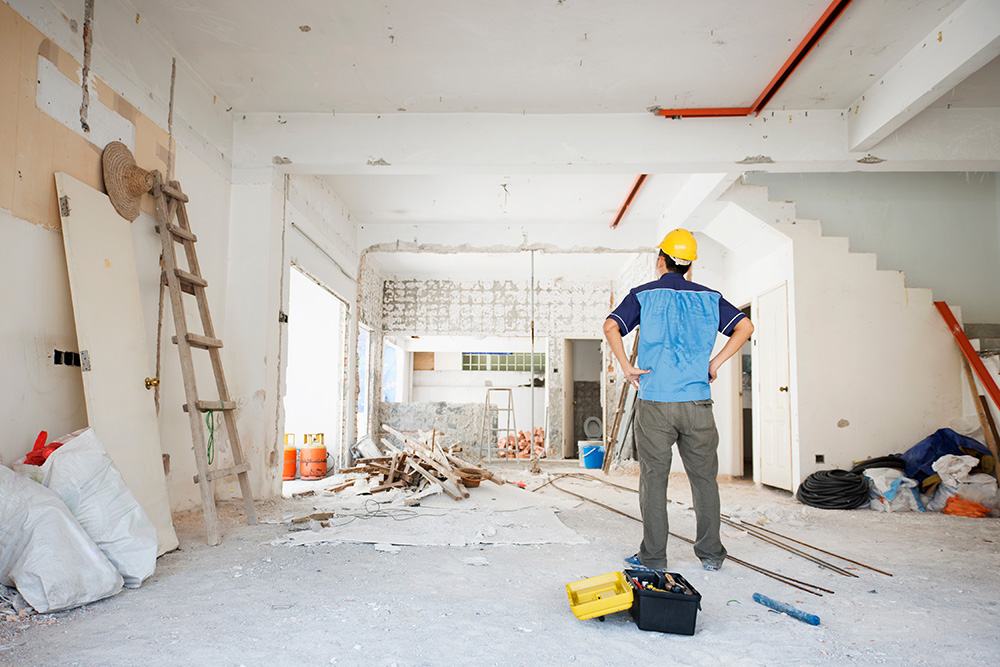
Planning a home renovation is an exciting yet complex process. Whether you are updating a single room, redesigning your entire house, or preparing your property for sale, effective planning is the foundation of a successful renovation. This guide breaks down everything you need to know about home renovation planning, from setting goals and budgets to selecting professionals and executing your project with confidence.
What Is Home Renovation Planning?
Home renovation planning refers to the process of organizing, designing, budgeting, scheduling, and overseeing improvements to your residential property. It involves evaluating your current space, setting renovation objectives, understanding costs, obtaining necessary approvals, and coordinating contractors and materials.
Renovation planning allows homeowners to visualize outcomes, reduce unexpected delays, and control expenses. Proper planning ensures that your investment delivers both aesthetic appeal and long‑term value.
Why Home Renovation Planning Matters
Home renovation planning matters for several reasons:
- Clarity and Purpose: It helps homeowners clarify what they want to achieve, whether it is modernizing an outdated kitchen, expanding living space, or improving energy efficiency.
- Budget Assurance: Detailed planning allows you to establish an accurate budget and avoid costly surprises during construction.
- Timeline Management: With a clear plan, you can sequence tasks efficiently and anticipate delays or material lead times.
- Professional Coordination: Planning helps you communicate effectively with architects, designers, and contractors, aligning expectations from the outset.
- Increased Property Value: Thoughtfully planned renovations can enhance property value and appeal to potential buyers.
Step 1: Establish Your Renovation Goals
Before you start knocking down walls, take time to identify your renovation goals. Ask yourself questions like:
- What problem am I trying to solve?
- Which areas of my home need updating or improvement?
- Do I want to improve functionality, aesthetics, or both?
- How long do I plan to stay in this home after the renovation?
Your answers will shape key decisions in your renovation plan. For example, if your goal is to increase home value before selling, you may prioritize kitchen and bathroom upgrades. If your priority is maximizing comfort for daily living, open‑plan living spaces or energy‑efficient solutions may take precedence.
Step 2: Set a Realistic Budget
Budgeting is one of the most critical elements of home renovation planning. A well‑defined budget protects you from overspending and ensures that funds are allocated appropriately.
Key Components of a Renovation Budget
- Design Fees: Costs associated with hiring a designer or architect.
- Permits and Inspections: Fees for municipal approvals and mandatory inspections.
- Labor Costs: Payments for contractors, electricians, plumbers, and other tradespeople.
- Materials and Fixtures: Costs of building materials, finishes, appliances, and fixtures.
- Contingency Fund: A reserve (typically 10–20 percent of the total budget) for unexpected expenses.
When setting your budget, collect multiple quotes for labor and materials. Online cost estimators can also help, but real quotes from local suppliers and contractors offer more accuracy.
Step 3: Develop a Design Plan
Your design plan outlines how the renovated spaces will look and function. This often involves collaborating with an interior designer or architect, especially for large projects.
Tips for an Effective Design Plan
- Create a Mood Board: Collect pictures, color palettes, and material samples that inspire your vision.
- Prioritize Functionality: Ensure pathways, room layouts, and storage meet your practical needs.
- Choose Timeless Elements: Opt for design choices that balance trends with long‑term appeal.
- Consider Energy Efficiency: Upgrading windows, insulation, or HVAC systems can reduce future energy bills.
A well‑crafted design plan minimizes changes during construction, which can otherwise lead to delays and increased costs.
Step 4: Research Permits and Regulations
Before starting construction, it is essential to understand the local building codes and permit requirements in your area. Regulations vary depending on city and country, and failing to secure proper permits can lead to fines or forced removal of unapproved work.
Consult your local municipal planning department to determine:
- Which permits are required for structural changes
- Zoning restrictions or historical regulations
- Inspection requirements during and after the renovation
Proper compliance with building codes ensures safety, legality, and peace of mind.
Step 5: Choose the Right Professionals
Unless you plan to manage every aspect of your renovation yourself, you will need qualified professionals to support your project.
Common Renovation Professionals
- Architects: Design structural changes and ensure plans are compliant with codes.
- Interior Designers: Assist with aesthetics, materials, and spatial planning.
- General Contractors: Oversee the construction process and coordinate subcontractors.
- Specialized Trades: Electricians, plumbers, HVAC technicians, and carpenters.
When hiring professionals, always:
- Check credentials and certifications
- Ask for references or portfolios of past work
- Request detailed bids with clear scopes of work
- Verify insurance coverage
Selecting reputable professionals is vital for quality workmanship and timely completion.
Step 6: Create a Renovation Timeline
A renovation timeline outlines when each phase of the project will occur. It should account for:
- Design finalization and permit approvals
- Procurement of materials and fixtures
- Contractor scheduling
- Inspections and quality checks
Delays are common in renovation projects due to material shortages, weather, or unforeseen structural issues, so your timeline should remain flexible. Sharing the schedule with all parties helps maintain clear expectations.
Step 7: Prepare for Construction Day
With planning, budgeting, professionals, and permits in place, you are ready for construction.
Pre‑Construction Checklist
- Secure temporary accommodations if necessary
- Protect furniture and belongings from dust and damage
- Establish a communication plan with your contractor
- Confirm work hours and site access arrangements
Communication and transparency during construction help resolve issues quickly and maintain project momentum.
Step 8: Manage Renovation Progress
Home renovation planning does not stop once construction begins. Active involvement is key to ensuring the work aligns with your expectations.
Tips for Managing Renovation Progress
- Conduct regular site visits
- Keep detailed records of changes, receipts, and approvals
- Address concerns promptly with the contractor
- Be decisive about design adjustments to avoid delays
A structured approach to monitoring progress reduces stress and prevents costly miscommunication.
Step 9: Final Inspection and Project Wrap‑Up
After construction is complete, conduct a final inspection with your contractor. Walk through each renovated area to ensure that:
- Work meets agreed‑upon standards
- Fixtures and finishes are installed correctly
- Any necessary touch‑ups are noted
Once verified, complete final payments and retain copies of warranties and important documents.
Common Home Renovation Planning Mistakes to Avoid
Even the best‑intentioned renovation can falter without proper planning. Avoid these frequent mistakes:
- Underestimating Costs: Always include a contingency fund.
- Skipping Permits: Do not risk fines or unsafe work.
- Neglecting Functionality: Prioritizing aesthetics without practical use leads to regret.
- Choosing Lowest Cost Only: The cheapest contractor or materials are not always the best value.
- Lack of Clear Contracts: Detailed contracts prevent disputes.
Anticipating these pitfalls is part of smart home renovation planning.
Conclusion
Home renovation planning is a multi‑layered process that requires thoughtful decision‑making, structured budgeting, expert guidance, and diligent execution. Whether you are renovating to enhance comfort or increase property value, the right plan transforms ideas into tangible results.
By setting clear goals, working with trusted professionals, and managing each step with care, you can achieve your dream renovation while controlling costs and minimizing stress. The effort you invest in planning ultimately shapes the success of your renovation project and the long‑term value of your home.
Leave a Reply