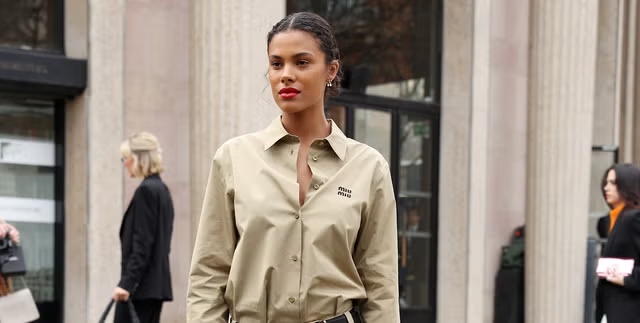
If you’re planning content around Office Fashion Trends for your blog, this comprehensive piece offers a blend of current style movements, practical wardrobe advice, and SEO‑friendly structure to help your readers stay ahead of the curve in professional fashion. The office wardrobe landscape has shifted dramatically as workplaces evolve, and today’s trends reflect a balance of comfort, individuality, and professionalism—perfect for modern professionals seeking both style and substance.
1. The Transformation of Office Fashion in 2026
Office fashion in 2026 looks very different from the traditional suit‑and‑tie aesthetic of past decades. Gone are overly rigid dress codes in many industries, replaced by a hybrid range of looks that combine business‑ready polish with personal expression, comfort, and contemporary style. Dress codes now span from polished business casual to power casual—a concept that strikes a balance between confidence and ease—allowing professionals to feel stylish and comfortable without sacrificing authority in the workplace.
This evolution mirrors broader cultural shifts toward flexibility in work environments, creative self‑expression, and a redefinition of professionalism that resonates with both millennials and Gen Z professionals entering traditional office spaces.
2. Key Office Fashion Trends Shaping Workwear
2.1 Power Suiting with a Modern Twist
One of the biggest office fashion trends in 2026 is the return of power suiting, though not in its old, button‑up form. Modern power suits feature relaxed tailoring, bold proportions, and imaginative details that signal confidence without feeling stiff. Classic elements like structured blazers and tailored trousers remain, but with updated cuts and softer fabrics.
Integrate brands that resonate with this look such as Armani, Stella McCartney, or Hugo Boss for polished pieces that blend authority and modern elegance. Strong suit combinations can serve as cornerstone pieces for any professional wardrobe.
2.2 Soft Layering for Subtle Sophistication
Layering remains essential in office fashion, especially for climates with changing temperatures or air‑conditioned workspaces. Soft layering means pairing lightweight knitwear or silk blouses under tailored blazers or sleek coats. This creates depth and sophistication without bulk.
Reliable pieces might include cashmere cardigans from Theory or lightweight, structured tops from COS that enhance both comfort and style.
2.3 ‘90s‑Inspired Minimalism
Another trend shaping office fashion in 2026 is inspired by ’90s minimalism. This embraces simple silhouettes, neutral palettes, and timeless pieces that feel elegant yet effortless. Designers like Calvin Klein and Jil Sander have influenced this movement, bringing an understated, refined aesthetic into modern professional wardrobes.
Minimalist staples—such as crisp white shirts, midi skirts, and slender trousers—fit seamlessly into many corporate environments.
2.4 Over‑The‑Top Accessories That Elevate
Accessories are far from an afterthought in office fashion. Over‑the‑top accessories are trending for their ability to elevate simple work looks instantly. Think statement belts, structured handbags from brands like Saint Laurent or Celine, and bold footwear that inject personality into professional outfits.
Accessories are a strategic way to refresh existing wardrobes with high‑impact detail while keeping core outfits office‑appropriate.
2.5 Leather Elements for Edgy Professional Looks
Leather isn’t just for off‑duty style; expect leather skirts, tailored leather trousers, and chic leather jackets to make their way into polished office environments. This trend adds texture and edge to office fashion, especially when paired with softer fabrics or classic tailoring.
A tasteful leather pencil skirt paired with a silk blouse can create a look that’s simultaneously strong and sophisticated.
3. Office Fashion Across Dress Codes
Office fashion varies based on company culture and industry, but there are universal ways to align current trends with specific dress codes:
3.1 Corporate Formal
For traditional corporate environments, structured tailoring and neutral color palettes remain foundational. A classic navy suit or a sharp blazer paired with tapered trousers consistently conveys authority. These outfits work particularly well in interviews, client presentations, or executive meetings.
3.2 Business Casual
Business casual today leans toward “polished casual.” Think of tailored trousers with sleek knit tops or blazers with refined sneakers. Athleisure elements such as smart sneakers or sophisticated joggers paired with professional tops can still project confidence, so long as the overall look feels intentional and composed rather than sloppy.
3.3 Creative or Startup Workspaces
In creative industries—such as advertising, digital media, or fashion houses—professionals have more freedom to push boundaries. Bold patterns, vibrant hues, or artistic cuts that wouldn’t traditionally fit formal corporate wear are often welcomed in these workplaces, allowing individuals to express personality and creativity through attire.
4. Essential Pieces Every Office Wardrobe Needs
To navigate evolving trends with confidence, highlight essential wardrobe foundations in your blog:
- Crisp Button‑Down Shirts: A timeless staple.
- Tailored Blazers: Versatile for formal and casual looks.
- Wide‑Leg Trousers: Comfort and polish combined.
- Soft Knit Layering Pieces: For transitional seasons and office climates.
- Statement Accessories: Belts, bags, and shoes to elevate basics.
- Minimalist Dresses: Easy to style and inherently elegant.
5. Styling Tips for Modern Professionals
5.1 Balance Comfort and Professionalism
With hybrid and flexible work arrangements becoming more common, professionals increasingly prioritize comfort without compromising on style. Soft fabrics, breathable knits, and relaxed tailoring should feel intentional and polished.
5.2 Embrace Personal Style Within the Office Code
Encourage your readers to find ways to express their individuality within their office dress code. Whether through signature accessories or custom tailoring, personal flair can help make professional attire feel authentic.
5.3 Invest in Versatile Pieces
Wardrobe investments in versatile staples—like a well‑fitted blazer or neutral leather shoes—can be styled in countless ways, making them invaluable for building a functional, stylish work collection.
6. What’s Next in Office Fashion
Looking ahead, office fashion will continue to blur the lines between classic formality and casual comfort. The ongoing influence of hybrid work models, sustainability practices, and evolving corporate cultures suggests that future trends will prioritize eclectic combinations that feel both authentic and appropriate in professional spaces.
Expect more tailored athleisure details, bold use of pattern and color, and pieces that balance comfort with structure beyond traditional norms.
7. Conclusion
Today’s office fashion is no longer about strictly following outdated dress codes. It’s about smart choices that reflect individual confidence, comfort, and style while catering to the professional environment. From power suits to ’90s‑inspired minimalist aesthetics, modern office trends create opportunities to look polished while staying true to personal expression.
Consider revisiting these evolving trends periodically in your blog to keep readers informed and inspired, especially as workplace dynamics and cultural fashion norms continue to shift.
Leave a Reply