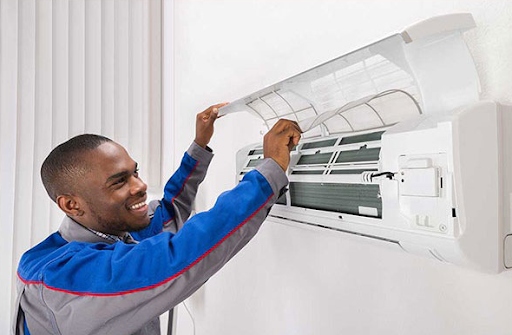
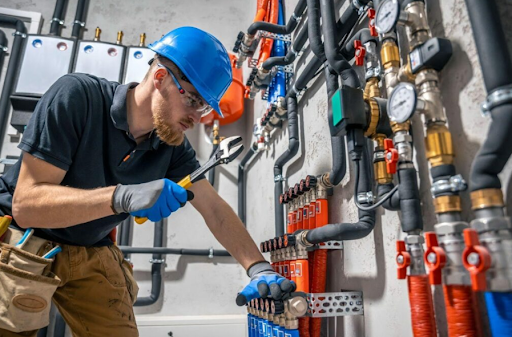
Most business owners don’t realise their plumbing is failing until sewage backs up into the lobby during a client meeting. By then the damage is catastrophic. The real problem started months earlier when small leaks went unnoticed. Water damage spread invisibly inside walls, destroying structural integrity silently. Mould developed in hidden spaces, creating health hazards nobody knew existed. A commercial plumbers assessment would have caught these problems years before the crisis point. But businesses wait for emergencies rather than preventing them. The difference between companies with reliable operations and those facing constant crises often comes down to plumbing management that happened behind the scenes.
The Invisible Deterioration
Commercial pipes corrode from the inside where nobody sees it happening. Water flowing through copper creates pinhole leaks that start impossibly small but expand over time. Galvanised steel pipes rust internally, restricting flow gradually until pressure becomes inadequate. These processes happen silently for years. Businesses continue operating completely unaware that infrastructure is failing. Then suddenly a pipe ruptures, flooding equipment and shutting down operations. The building owner thinks it was a sudden catastrophic failure when actually deterioration was progressing for years. Residential plumbers miss these patterns because commercial systems are more complex. Commercial plumbers understand where deterioration typically develops. They know what warning signs indicate emerging problems. They use cameras to inspect interior pipe conditions before rupture occurs. This knowledge prevents disasters residential plumbers would miss completely.
The Pressure Problem
Commercial buildings have more fixtures and longer pipe runs creating pressure challenges residential systems don’t face. Water reaching upper floors or distant areas loses pressure as it travels. Fixture groups at the end of lines receive inadequate pressure, making them essentially non-functional. Business occupants complain about weak water pressure without understanding the root cause. Managers replace fixtures assuming they’re defective when actually the problem is system-wide pressure insufficiency. Commercial plumbers size systems accounting for peak simultaneous demand that residential plumbers don’t consider. They position components preventing pressure loss across distances. They install pressure boosters where necessary. This expertise ensures all fixtures receive adequate pressure without wasting water through oversizing.
The Drain Disaster
Restaurant drains accumulate grease, creating restrictions developing over months until backing up. Office building restrooms develop hair clogs. Manufacturing facilities create sediment accumulation in drain lines. These problems seem minor initially but worsen gradually. By the time backup occurs, the blockage is severe, requiring aggressive intervention and damaging pipes. Commercial plumbers implement preventive drain maintenance, preventing these accumulations. They clean drains proactively before buildup becomes dangerous. They install grease traps in restaurants, properly sized and maintained. They educate facility managers about what can’t go down drains. This prevention stops the disaster cycle that reactive approaches create.
The Valve Positioning Mistake
Commercial buildings need strategically positioned shut-off valves allowing isolation of failed components without shutting down entire facilities. Buildings without proper valve placement face complete system shutdown when any component fails. A failed toilet requires shutting off water to the entire building rather than just that fixture. Maintenance becomes impossible without massive disruption. Commercial plumbers install isolation valves throughout systems, enabling targeted repairs. They position check valves preventing backflow contamination. They strategically place relief valves protecting systems from dangerous pressure spikes. This infrastructure prevents the cascading failures that poor valve placement creates.
The Code Violation Problem
Businesses operate facilities daily without realising they’re violating plumbing codes until inspectors identify violations. Backflow prevention systems missing. Trap seals inadequate. Fixture spacing wrong. These violations didn’t develop recently. They existed since initial installation. Professional commercial plumbers understand these requirements and maintain compliance automatically. Businesses handling plumbing without this knowledge discover violations during inspections when corrections become expensive and disruptive.
The Maintenance Blindness
Systems operating smoothly create complacency, masking underlying problems developing invisibly inside walls and beneath floors where deterioration happens silently. Businesses assume everything is fine because nothing has failed recently, making them dangerously unprepared for emerging disasters. Professional commercial plumbers understand that absence of failure doesn’t indicate actual system health or readiness. They assess actual system condition, predicting developing problems before symptoms appear anywhere visible. They identify corrosion starting internally before it creates ruptures. They spot pressure issues before fixtures stop functioning completely. They catch valve failures before complete shutdown becomes necessary. This proactive assessment prevents the emergencies that surprise facility managers operating without professional oversight.
Conclusion
Hiring commercial plumbers prevents the invisible failures destroying business operations without warning throughout infrastructure. Internal pipe corrosion, pressure inadequacy, drain accumulation, valve positioning, and code violations all get addressed through professional maintenance, preventing crises. Systems operating smoothly for decades result from preventive expertise developed through commercial experience, not luck or reactive crisis management. Facility managers who embrace professional plumbing oversight discover that businesses run more smoothly without constant disruptions. The relationship with commercial plumbers becomes a partnership, protecting operations continuously rather than emergency response after disasters destroy productivity and revenue.